
Step-by-Step Guide to Blackjack
Blackjack is one of the most popular casino card games worldwide, and India is no exception. Whether you’re playing in land-based casinos in Goa or online platforms, mastering blackjack can be both fun and potentially profitable. If you’re new to this game, don’t worry—we’ll break it down step by step, making it easy to understand and enjoyable to play.
What is Blackjack?
Blackjack, often referred to as 21, is one of the most iconic and widely played card games in the world. Its allure comes from the perfect balance between luck and skill. Unlike games that rely purely on chance, blackjack allows players to make strategic decisions that can influence the outcome of the game. The objective is straightforward on the surface: achieve a hand total closer to 21 than the dealer without exceeding it. However, beneath this simplicity lies a rich layer of decision-making, probability, and anticipation that makes each hand unique and exciting. The tension of deciding whether to take another card or stay with your current total creates a thrilling experience that keeps players coming back for more.
The game begins with the dealer distributing two cards to each player and themselves. One of the dealer’s cards is usually visible, which provides valuable information that players can use to adjust their strategy. Players must analyze their hand in combination with the dealer’s visible card to determine the optimal move. While face cards are valued at ten and numbered cards hold their respective value, the ace is the most versatile card, counting as either one or eleven. This dual value introduces an additional strategic element, allowing players to adapt their decisions dynamically as the hand progresses. The flexibility of the ace is often the difference between a risky hand and a winning one.
One of the key appeals of blackjack is that it blends skill and psychology. Experienced players often pay close attention not only to their cards but also to the dealer’s tendencies and the flow of the game. Some even attempt advanced strategies like card counting to gain a statistical edge, though this is more applicable in controlled casino environments and less so online. Beyond strategy, reading the room and managing emotions is crucial. A calm and focused player can make better choices under pressure, while impulsive decisions can quickly lead to busting. The mental challenge adds depth to the game, making it more than just a gamble.
Finally, blackjack’s simplicity in rules makes it accessible to beginners, but its depth keeps seasoned players engaged. Whether playing in a physical casino in India or online from the comfort of home, every hand presents a new puzzle. Each decision—whether to hit, stand, double down, or split—carries consequences that affect the odds of winning. This combination of straightforward rules, strategic opportunities, and psychological insight is what has cemented blackjack as one of the most enduring and beloved card games globally. Its mix of chance and choice makes every round exciting, ensuring that players are both challenged and entertained throughout the game.
Why Blackjack is Popular in India
- Accessibility Across Platforms: One of the biggest reasons blackjack has gained popularity in India is its wide accessibility. Online casinos and gaming platforms now cater specifically to Indian players, offering games in local languages and supporting Indian rupees. This means that whether you are in a metropolitan city like Mumbai or a smaller town, you can enjoy the game anytime from your smartphone or computer. The availability of mobile apps and browser-based platforms has made it easier than ever to experience a full-fledged casino game without having to travel to a land-based casino.
- Simple Yet Engaging Rules: Blackjack is easy to learn, even for complete beginners, yet it maintains a level of challenge that keeps experienced players interested. The basic objective of reaching 21 without going over is straightforward, making it quick to grasp. However, mastering the strategy—knowing when to hit, stand, double down, or split—adds complexity that can keep players engaged for years. This balance between simplicity and strategic depth makes it a game suitable for all kinds of players, whether casual or professional.
- Social Interaction and Entertainment: In India, casinos are not just about gambling—they are a social experience. Land-based casinos in places like Goa and Sikkim often have lively atmospheres where blackjack tables become hubs of social interaction. Players enjoy discussing strategies, celebrating wins, and even engaging in friendly banter with other players and dealers. This social aspect adds an element of excitement that goes beyond the game itself, making blackjack a preferred choice for those who enjoy mingling and the thrill of human interaction.
- Opportunities for Strategy and Skill: Unlike slot machines or other games of pure luck, blackjack rewards skillful decision-making. Players who understand probabilities, card values, and the dealer’s tendencies can significantly improve their chances of winning. This element of strategy appeals to Indian players who enjoy analytical thinking and a challenge, offering a sense of control over the game. Skillful play can turn a casual session into a more competitive and intellectually stimulating experience, giving blackjack an edge over many other forms of casino entertainment.
Blackjack Terminology You Should Know
| Term | Meaning | Strategic Importance | Example | Tip for Indian Players |
| Hit | Take another card from the dealer | Helps you improve a low hand total | If you have 12 and the dealer shows 7, hitting might get you closer to 21 | Use hitting cautiously when your hand is between 12-16 |
| Stand | Keep your current hand without taking more cards | Prevents busting when you have a strong hand | With a hand of 18 against a dealer showing 6, standing is usually wise | Remember, standing is safer when your hand is 17+ |
| Double Down | Double your bet and take exactly one more card | Maximizes potential profit when the odds are in your favor | You have 11, dealer shows 5 – doubling can increase your winnings if you get a 10 | Only double down on hands with high probability of reaching 21 |
| Split | Divide two identical cards into separate hands | Can increase winning chances by creating two strong hands | You get two 8s – splitting allows you to play two hands starting with 8 each | Avoid splitting 10s; split Aces and 8s for better odds |
| Bust | Going over 21, which means you automatically lose | Understanding risk helps avoid losing unnecessary bets | Hand totals 22 after a hit – you bust and lose | Always calculate risk before hitting on a hand totaling 15+ |
| Push | A tie with the dealer; no money is won or lost | Important to know that a tie returns your bet | You and the dealer both have 20 – push occurs | Consider that pushes protect your bankroll from unnecessary losses |
| Blackjack | An Ace and a 10-value card as your first two cards | Pays higher (usually 3:2) and beats all other hands | First two cards: Ace + King | Always celebrate blackjack—it’s the best possible hand! |
| Insurance | Side bet offered when dealer shows an Ace | Can protect against dealer blackjack but generally not recommended | Dealer shows Ace; you can bet half your main bet on dealer having blackjack | Most pros avoid insurance; it increases house edge |
Choosing the Right Platform in India
Choosing the right platform to play blackjack in India is one of the most important steps for both beginners and experienced players. The choice between land-based casinos and online platforms can greatly affect your overall experience, from convenience and accessibility to the quality of gameplay and potential rewards. Each option offers unique advantages and challenges, and understanding these differences can help you select the platform that best suits your preferences and playing style. Whether you are seeking the social excitement of a physical casino or the flexibility of online play, knowing what to look for ensures that you enjoy a safe, engaging, and rewarding blackjack experience.
Land-based casinos remain popular in India for those who want the full casino atmosphere. Cities like Goa are renowned for their vibrant casino scene, offering large, luxurious establishments with multiple blackjack tables, professional dealers, and an immersive environment. Sikkim, with its legal gambling options, attracts both locals and tourists seeking a legitimate and well-regulated gaming experience. Even smaller destinations like Puducherry provide authentic, intimate casino experiences that focus on personalized service and a traditional casino feel. Playing in a physical casino allows players to interact with other gamblers, observe dealer behavior, and enjoy the thrill of being part of a lively gaming environment.
On the other hand, online casinos have grown exponentially in popularity, especially among Indian players who prefer convenience and flexibility. Online platforms offer the ability to play anytime and anywhere, whether on a computer or a mobile device, eliminating the need to travel to a casino. Safety and licensing are crucial factors to consider when choosing an online platform. Reputable licenses, such as those issued by the Malta Gaming Authority, Curacao, or the UK Gambling Commission, ensure that the platform operates fairly and securely. Players should also check for platforms that support Indian payment methods like UPI, PayTM, or INR deposits, which make transactions fast, safe, and hassle-free.
Additionally, online casinos often provide a wider variety of blackjack games than physical casinos. From classic blackjack to European and Vegas Strip variants, players can explore different rule sets and betting strategies. Many platforms also offer bonuses, cashback, and loyalty programs specifically for Indian users, which can increase your bankroll and enhance your gaming experience. The combination of game variety, accessibility, secure payment options, and rewarding promotions makes online platforms an attractive choice for players who want to enjoy blackjack in a comfortable, controlled, and flexible environment. Choosing the right platform, therefore, is not just about preference but about maximizing safety, convenience, and enjoyment.
Understanding the Rules
- Card Values and Their Importance: Every card in blackjack has a specific value, and understanding these values is crucial to making the right decisions. Number cards from 2 to 10 carry their face value, meaning a 5 counts as 5 points, an 8 counts as 8, and so on. Face cards, including Jack, Queen, and King, are all valued at 10 points each. The Ace is unique because it can count as either 1 or 11, depending on which value benefits your hand more. This duality makes the Ace a highly strategic card, allowing flexibility and providing opportunities to avoid busting while aiming for 21. Mastering how to use the Ace effectively is one of the first steps toward playing smarter blackjack.
- Winning Conditions: The primary objective of blackjack is to have a hand total closer to 21 than the dealer without exceeding it. Players need to constantly evaluate whether to take additional cards (hit) or stop (stand) based on their hand total and the dealer’s visible card. A hand total of 21 is the ideal scenario, but even totals slightly below it can win if the dealer busts. Understanding when to risk hitting or play it safe is central to improving your odds of winning. Each decision carries consequences, and knowing how the rules translate into practical gameplay makes every hand more manageable and strategic.
- The Concept of Blackjack: The term “blackjack” specifically refers to achieving a perfect hand with an Ace and a 10-value card as your first two cards. This hand beats all other hands in the game and usually offers the best payout, typically 3:2. While the goal is always to approach 21, hitting a blackjack is the ultimate achievement, giving players an immediate advantage. Recognizing the value of a blackjack and understanding its rarity encourages strategic betting and adds excitement to every round. For Indian players, knowing the importance of this hand can also influence how aggressively or conservatively they play.
Placing Your Bet
| Aspect | Meaning | Strategic Importance | Example | Tip for Indian Players |
| Minimum Bet | The smallest amount you can wager to participate in a hand | Ensures you meet the casino’s requirements while managing risk | Online casinos may allow bets as low as ₹10; land-based casinos might require ₹500+ | Beginners should start with minimum bets to practice without risking too much money |
| Starting Small | Placing a modest bet at the beginning of the session | Helps manage risk and understand the game before committing larger amounts | Betting ₹10–₹50 online to get a feel for the table dynamics | Always start small, especially if you’re learning new strategies or playing a new variant |
| Bankroll Management | Planning how much money to allocate per session | Prevents overspending and helps maintain control | Setting a session limit of ₹2,000 and stopping once it’s reached | Divide your total bankroll into smaller units to avoid losing all funds in one session |
| Using Bonuses | Utilizing casino promotions to increase betting power | Provides extra chips and opportunities to extend gameplay | A ₹500 deposit bonus gives extra ₹500 to play with | Check bonus terms carefully, including wagering requirements, before relying on them |
| Progressive Betting | Adjusting bet sizes based on wins or losses | Can help maximize profits but carries higher risk | Increasing bets after a win or using a flat strategy with consistent bets | Beginners should avoid aggressive progression; stick to conservative increases for safer play |
| Table Limits | Maximum and minimum allowed bets per table | Ensures players understand the range they can wager | Table limit: ₹10–₹10,000 | Choose tables that suit your bankroll and avoid overextending on high-limit tables |
Dealing the Cards
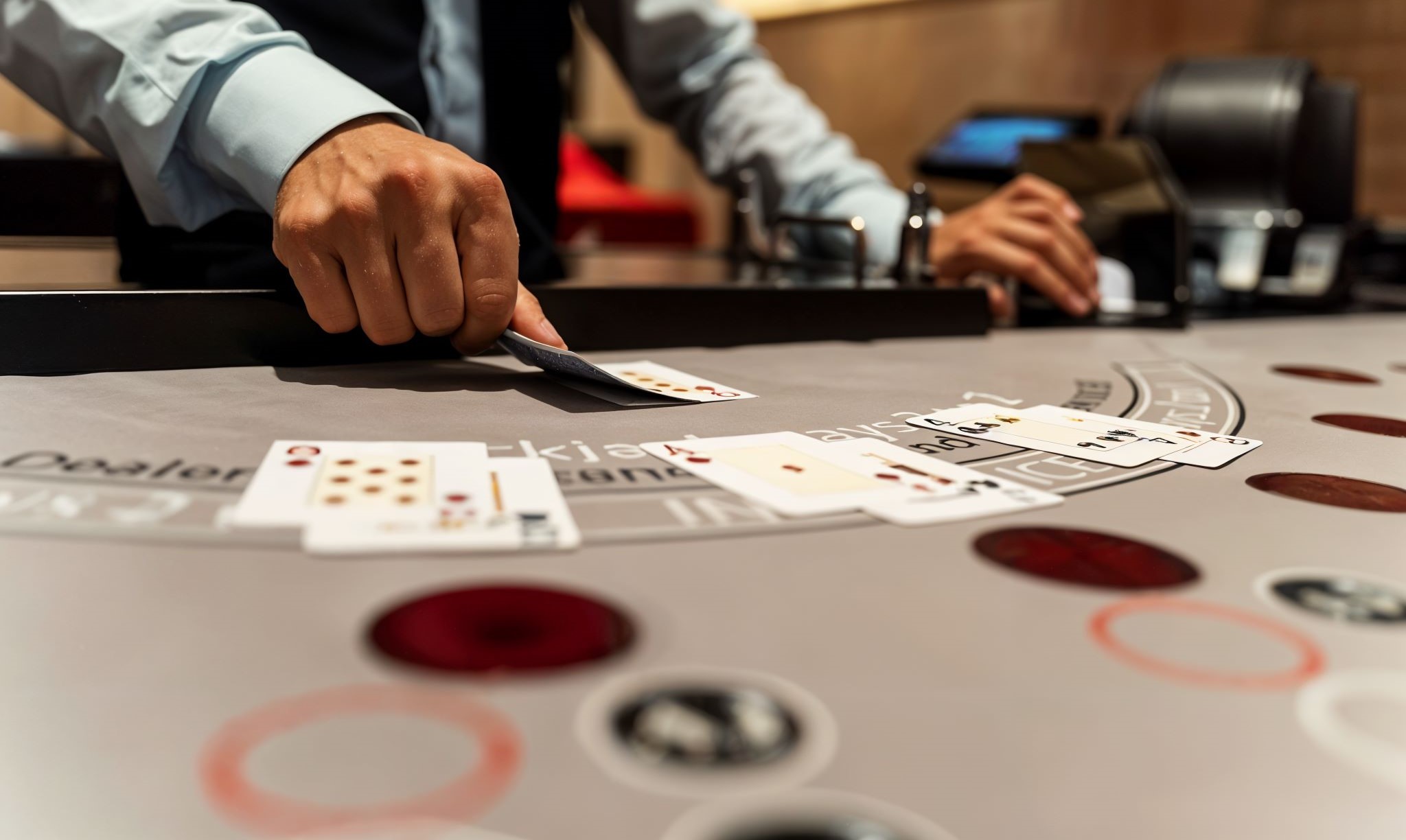
Once all bets are placed, the dealer begins dealing the cards, which marks the official start of the blackjack round. Each player receives two cards, and the dealer also gets two, with one card typically face-up and the other face-down. The face-up card, known as the “upcard,” is crucial because it provides valuable insight into the dealer’s potential hand and helps players decide their next move. Observing the upcard allows players to anticipate the dealer’s strategy and calculate whether it’s safer to hit, stand, or use more advanced options like doubling down or splitting. This initial deal sets the stage for the game’s strategy and can greatly influence the outcome.
The order in which cards are dealt is also significant. In traditional land-based casinos in India, dealers typically distribute cards clockwise around the table, giving each player a turn before placing the dealer’s cards. This creates a sense of rhythm and allows players to focus on their own hand while observing others. Online platforms simulate this process using digital shuffling and random number generators, ensuring fairness while replicating the suspense of live dealing. In both cases, understanding the flow of dealing helps players plan their decisions and anticipate possible outcomes based on the visible cards.
One interesting aspect of dealing is the psychological element it introduces. Seeing other players’ cards and the dealer’s upcard can create subtle pressure, influencing decisions and testing a player’s ability to remain calm under scrutiny. In live casinos, experienced players often watch the table for patterns or tendencies in the dealer’s behavior, while online players may focus more on probability and statistical strategy. The combination of luck, observation, and decision-making during the dealing phase is what makes blackjack more engaging than purely chance-based games.
Finally, the dealing phase is where anticipation and strategy truly begin. Players must quickly assess the strength of their hand relative to the dealer’s visible card and consider all possible actions for maximizing their chances of winning. A strong hand may warrant standing immediately, while a weaker total may require hitting or splitting. Recognizing the potential for a blackjack, a soft hand, or a chance for busting shapes the strategy for the rest of the round. Mastering how to interpret the dealt cards and react strategically is a key skill that separates novice players from seasoned blackjack enthusiasts.